Fabric to Paint: Complete Beginner’s Guide to Fabric Painting and Techniques
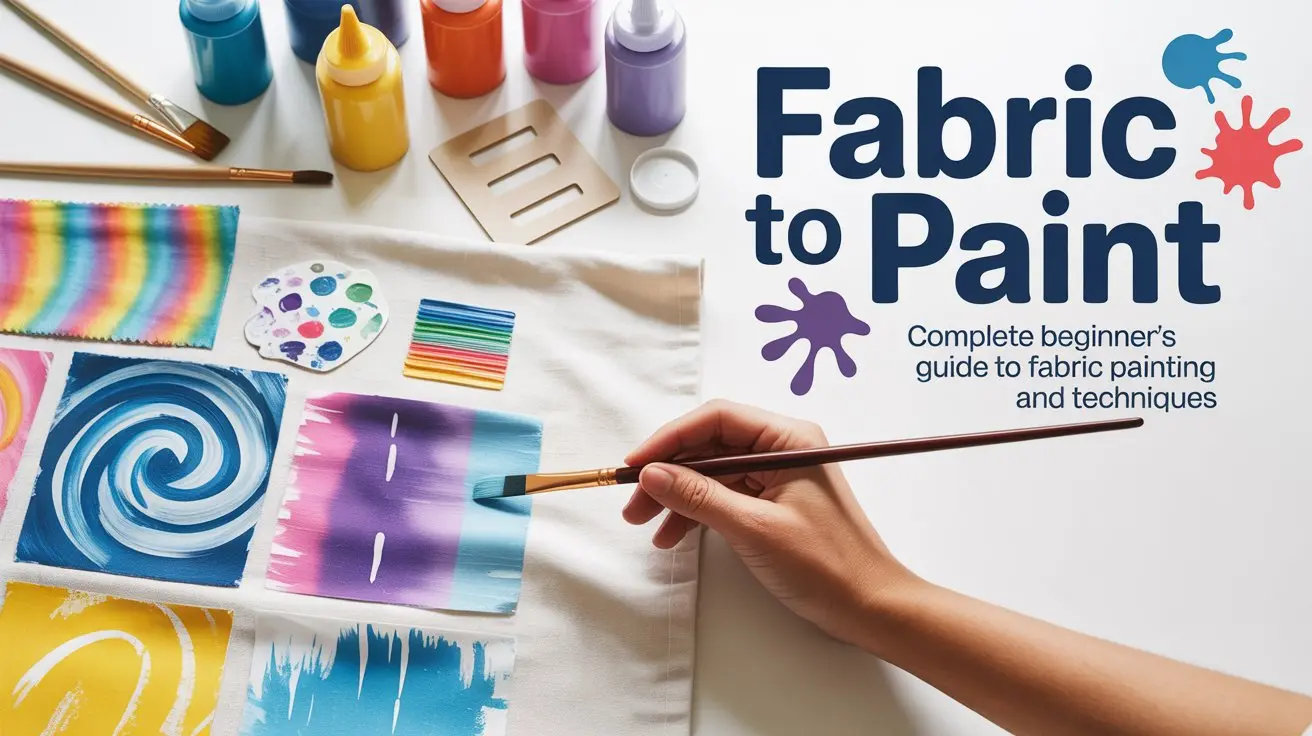
Have you ever wanted to turn a plain T-shirt, tote bag, or cushion cover into something unique? Using fabric to paint projects is one of the easiest ways to add creativity to everyday items. Fabric painting allows you to customize clothing, home décor, and accessories without spending a lot of money.
Whether you are a beginner or an experienced crafter, fabric painting is a fun and rewarding skill. With the right tools, techniques, and paint, you can create long-lasting designs that stay vibrant even after repeated washing. This guide covers everything you need to know, from choosing the best paint to avoiding common mistakes.
What Is Fabric Paint?
Fabric paint is a special type of paint designed specifically for textiles. Unlike regular paint, it remains flexible after drying. This flexibility prevents cracking, peeling, and stiffness when the fabric moves.
Fabric paint bonds directly with fabric fibers, making it durable and washable. It is available in many finishes, including matte, metallic, glitter, and glow-in-the-dark.
People commonly use fabric paint for:
- T-shirts
- Jeans
- Jackets
- Tote bags
- Canvas shoes
- Pillow covers
- Curtains
- Craft projects
The ability to personalize fabric items makes fabric painting popular among artists, DIY enthusiasts, and small business owners.
Why People Use Fabric Paint
Fabric painting offers endless creative possibilities. Instead of buying expensive custom products, you can create your own designs at home.
Some popular reasons people choose fabric painting include:
- Personalizing clothing
- Creating unique gifts
- Refreshing old fabrics
- Designing custom fashion pieces
- Making home décor items
- Starting a small handmade business
Because fabric paint is affordable and easy to use, it remains one of the most popular crafting mediums.
Types of Fabric Paint
Not all fabric paints are the same. Each type serves a different purpose.
Acrylic-Based Fabric Paint
This is the most common option. It offers bright colors, excellent durability, and easy application. Many beginners start with acrylic-based fabric paint because it works well on most fabrics.
Dye-Based Fabric Paint
Dye-based paints soak into the fabric rather than sitting on top. This creates a softer finish and a more natural feel.
Dimensional Fabric Paint
Also known as puff paint, dimensional paint creates raised textures. It is commonly used for decorative designs and children’s crafts.
Spray Fabric Paint
Spray fabric paint covers large areas quickly and evenly. It is useful for stencils, gradients, and large projects.
Fabric Markers
Fabric markers are perfect for fine details, lettering, and outlines. They provide greater control than traditional brushes.
Fabric Paint vs Acrylic Paint
Many people wonder whether regular acrylic paint can replace fabric paint.
The answer is sometimes, but it is not always the best choice.
Fabric paint is specifically formulated for textiles. It stays soft and flexible after drying. Acrylic paint, on the other hand, may become stiff and crack over time.
Fabric Paint Benefits
- Flexible after drying
- Better wash resistance
- Designed for clothing
- Long-lasting colors
Acrylic Paint Benefits
- Lower cost
- Easy to find
- Wide color selection
If you decide to use acrylic paint on fabric, mix it with a fabric medium to improve flexibility and durability.
Best Fabrics for Fabric Painting
Not every fabric responds the same way to paint. Some materials absorb paint better than others.
The best fabrics include:
Cotton
Cotton is one of the easiest fabrics to paint. It absorbs color well and provides a smooth painting surface.
Canvas
Canvas is durable and ideal for detailed artwork.
Linen
Linen works well with fabric paints and produces beautiful results.
Denim
Denim is popular for painted jackets and jeans because of its durability.
Polyester Blends
Polyester blends can be painted successfully, but some paints may not adhere as effectively as they do on natural fibers.
For the best results, always test paint on a small fabric sample first.
Tools and Supplies You Need
Before starting a fabric to paint project, gather the right supplies.
Essential tools include:
- Fabric paint
- Paint brushes
- Fabric markers
- Stencils
- Palette
- Water container
- Protective cardboard
- Pencil or chalk
- Iron for heat setting
Having quality supplies makes the painting process easier and improves the final outcome.
How to Paint on Fabric Step by Step
Learning how to paint fabric correctly helps ensure professional-looking results.
Step 1: Wash the Fabric
Wash and dry the fabric before painting. This removes dirt, oils, and manufacturing chemicals.
Step 2: Prepare Your Surface
Place cardboard inside shirts or under fabric layers to prevent paint bleed-through.
Step 3: Sketch Your Design
Lightly draw your design using a pencil or fabric chalk.
Step 4: Apply the Paint
Use thin layers rather than thick coats. Thin layers dry faster and reduce cracking.
Step 5: Allow Drying Time
Let each layer dry before adding additional colors or details.
Step 6: Heat Set the Paint
Follow the manufacturer’s instructions to make the design permanent.
These simple steps can help any beginner succeed with fabric to paint projects.
How to Heat Set Fabric Paint
Heat setting is one of the most important steps in fabric painting.
It helps bond the paint to the fibers and improves wash resistance.
Common heat-setting methods include:
Iron Method
- Let paint dry for 24 hours
- Turn fabric inside out
- Use a dry iron on medium heat
- Iron for several minutes
Dryer Method
Some fabric paints can be heat set using a clothes dryer.
Always check product instructions before using heat.
Common Fabric Painting Mistakes to Avoid
Even experienced artists make mistakes. Knowing what to avoid can save time and frustration.
Using Thick Paint Layers
Heavy paint layers may crack after drying.
Skipping the Pre-Wash
New fabrics often contain coatings that prevent proper paint adhesion.
Ignoring Drying Times
Rushing the process can cause smudging and uneven results.
Not Testing Paint First
Different fabrics react differently to paint.
Forgetting Heat Setting
Without heat setting, your design may fade or wash away faster.
Avoiding these mistakes helps ensure durable and professional-looking artwork.
How to Wash Painted Fabric
Proper care extends the life of painted designs.
Follow these guidelines:
- Wait several days before washing
- Turn garments inside out
- Use cold water
- Choose a gentle cycle
- Avoid harsh detergents
- Air dry whenever possible
With proper care, painted fabrics can last for years.
Creative Fabric Painting Ideas
Looking for inspiration? Here are some popular fabric painting projects.
Custom T-Shirts
Create personalized designs, quotes, or illustrations.
Tote Bags
Decorate plain bags with patterns, names, or artwork.
Denim Jackets
Paint floral designs, abstract art, or custom graphics.
Pillow Covers
Add artistic touches to your home décor.
Canvas Shoes
Transform ordinary shoes into wearable art.
Many people start their first fabric to paint project with a simple tote bag because it offers a large, easy-to-paint surface.
Best Fabric Paint Brands
Choosing a trusted brand can improve your results.
Popular options include:
- Tulip Fabric Paint
- Jacquard Textile Color
- FolkArt Fabric Paint
- Arteza Fabric Paint
- Pebeo Setacolor
- Mont Marte Fabric Paint
These brands are known for durability, color quality, and ease of use.
Safety Tips for Fabric Painting
Fabric painting is generally safe, but a few precautions are important.
- Work in a well-ventilated area
- Keep paints away from children unless supervised
- Wear old clothes or an apron
- Wash hands after painting
- Store paints properly
Simple safety practices help create a better crafting experience.
Frequently Asked Questions
Does Fabric Paint Wash Off?
Quality fabric paint becomes permanent when properly applied and heat set.
Can I Use Acrylic Paint on Fabric?
Yes, but using a fabric medium improves flexibility and durability.
What Is the Best Fabric for Beginners?
Cotton is usually the easiest fabric for beginners.
How Long Does Fabric Paint Take to Dry?
Most paints dry within a few hours, but complete curing may take several days.
Can Fabric Paint Be Ironed?
Yes. In fact, heat setting with an iron is often recommended.
Final Thoughts
Fabric painting is a creative and affordable way to personalize clothing, accessories, and home décor. With the right materials and techniques, anyone can achieve professional-looking results.
Whether you want to design custom shirts, decorate tote bags, or start a small craft business, learning fabric to paint techniques opens up countless possibilities. By choosing quality fabric paint, preparing your fabric correctly, and following proper heat-setting methods, you can create durable designs that remain vibrant for years.
Start with a simple project, practice regularly, and enjoy the process of turning ordinary fabric into unique works of art.